Rural women and climate change: adapting now.
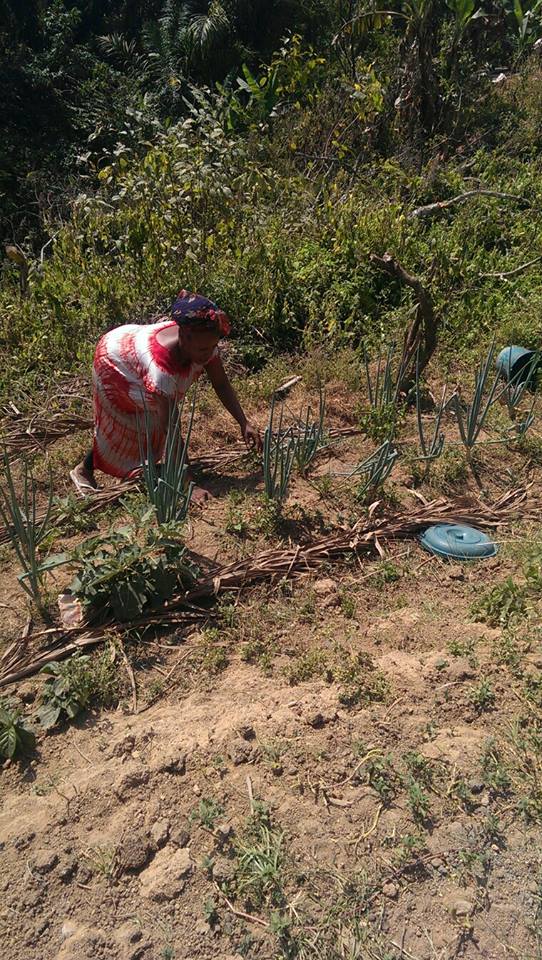
The poorest rural women are hit first by climate change. CEFAP has trained 250 of them and given as many improved cookstoves.
For a woman who farms her land and feeds her family, climate change is not a conference topic. It is a rainy season that does not come when expected, a harvest that yields less, firewood that has to be fetched further and further away. CEFAP puts it plainly: women already living in poverty are the hardest hit, and they lack the resources to recover from climate disasters.
Training and equipment
That is why the association works to reduce rural women's vulnerability and help them adapt. Its project "Rural women and adaptation to the effects of climate change in Cameroon" worked on two fronts.
The first was training. 250 rural women in the Centre, West and North-West regions built the skills to face the effects of climate change.
The second was equipment. 250 women each received an improved cookstove and a lamp. An improved cookstove burns less wood than an open fire; a lamp makes it possible to work, study and get about after dark.
Spreading the word
Alongside training women, CEFAP educates and informs rural communities about climate change, protecting the environment and sustainable development. It also takes part in clean-up days, in rural areas and in the marshlands of poor urban neighbourhoods.
This work has been recognised: in 2016, CEFAP's coordinator received the Women's World Summit Foundation prize for women's creativity in rural life.
The next phase
We want to go further. A new phase, now seeking funding, aims to make rural women and vulnerable households lastingly more resilient to climate change and to food and nutrition insecurity. It will train more women and equip rural families with improved cookstoves and solar lamps.
Training one rural woman protects a whole household. Supporting this project means acting against climate change where it hits hardest.